5 Ways to Keep Your Patio Cleaner Between Pressure Washes
@judahpsvn475
A professional pressure wash can make a tired patio look new again. But in Lismore, the clean look doesn't always last. Warm temperatures, high humidity, regular summer downpours and plenty of leafy gardens give mould, algae, mildew and general grime ideal conditions to return. The good news is that a few simple habits can noticeably extend the time between full pressure washes, protect your paving or concrete, and save you money over the long run.
Here are five practical, proven ways to keep your outdoor area cleaner for longer.
- Sweep and clear debris regularly
- Deal with spills and stains quickly
- Control moisture, shade and organic growth
- Seal your patio after it has been cleaned
- Use gentle, routine maintenance washes
1. Sweep and Clear Debris Regularly
It sounds almost too simple, but regular sweeping is the most effective low-effort habit you can adopt. Leaves, flower petals, soil, pollen and seed pods break down on the surface and release tannins and nutrients. These feed mould and algae and can leave stubborn brown stains, especially on light-coloured concrete, pavers and limestone.
How often should you sweep?
Aim for a quick sweep once or twice a week, and more often during spring growth and after storms. If you have large trees such as figs, camphor laurels or palms nearby, check the patio after windy days. A stiff outdoor broom works well for textured concrete and pavers, while a leaf blower makes quick work of larger areas.
Don't forget the edges and joints
Debris collects in paver joints, along garden borders and in corners, where it holds moisture against the surface. Clear these spots with a narrow brush or a plastic scraper. Keeping joints clean also helps prevent weeds from taking hold, which can loosen pavers over time.
2. Deal with Spills and Stains Quickly
Outdoor entertaining is part of life in the Northern Rivers, but barbecue grease, red wine, oil, fruit juice and pet accidents can soak into porous surfaces within hours. The sooner you act, the easier the stain is to remove, and the longer you can go before a full clean is needed.
Quick response tips
- Grease and oil: Blot first, then cover with an absorbent material such as kitty litter or baking soda for a few hours before sweeping up and scrubbing with a degreaser.
- Food and drink spills: Rinse straight away with clean water and a soft brush, then use a mild detergent if needed.
- Rust marks: These often come from metal furniture legs or pot stands. Use a rust remover that is safe for your surface type, and place rubber or plastic feet under metal items.
- Pet waste: Remove solids promptly, then rinse and treat with a pet-safe outdoor cleaner to limit odours and staining.
Always test a cleaning product on a small, hidden area first. Some products can etch or discolour natural stone, exposed aggregate or coloured concrete.
3. Control Moisture, Shade and Organic Growth
In a humid subtropical climate like Lismore's, moisture is the main driver of green slime, black mould and slippery algae. Reducing the amount of time your patio stays damp makes a big difference.
Trim back vegetation
Overhanging branches and dense shrubs block sun and airflow, leaving surfaces wet long after rain. Regular pruning lets sunlight and breeze dry the patio faster. It also reduces the leaf litter and sap that land on the surface.
Check drainage and standing water
Look for areas where water pools after rain. Low spots, blocked drains and downpipes that discharge onto the patio all encourage growth. Clearing gutters and drains, redirecting downpipes, and, where needed, having a landscaper correct the fall of the paving can keep water moving off the surface.
Treat early signs of growth
When you spot the first green or black patches, apply a patio-safe mould and algae treatment rather than waiting. Many modern products are biodegradable and designed to be applied and left to work, which means little or no scrubbing. As of 2026, there is a wide range of eco-friendlier options available, which is worth considering if your patio drains toward garden beds or a creek or stormwater system. Always follow the label directions and protect nearby plants.
After floods or heavy rain events
Lismore residents know that floodwater and heavy runoff can leave behind silt and organic residue. Hose or sweep this away as soon as it is safe to do so. Left to dry and bake onto the surface, silt can discolour paving and become much harder to remove.
4. Seal Your Patio After It Has Been Cleaned
If you do only one thing to extend the life of a pressure wash, make it sealing. A quality sealer reduces how much water, oil and dirt can soak into the surface, so spills sit on top where they can be wiped away, and mould has a harder time gaining a foothold.
Choosing the right sealer
Sealers are not one-size-fits-all. Concrete, clay pavers, travertine, sandstone, bluestone and exposed aggregate all have different needs. Penetrating sealers soak in and protect without changing the look much, while acrylic and other topical sealers can add a sheen or "wet look". For outdoor areas, consider a product with slip-resistance properties, particularly around pools or areas that stay damp.
Timing matters
Sealing works best on a completely clean, dry surface. After a pressure wash, allow https://gregoryoltg129.evergrovio.com/posts/when-to-seal-your-driveway-after-pressure-cleaning-in-lismore the patio to dry thoroughly, which can take longer during humid periods, then apply the sealer in dry, mild weather. Rushing this step can trap moisture and cause cloudy or patchy results. Depending on the product and how much foot traffic and weather exposure the area gets, resealing is typically needed every few years. Check the manufacturer's guidance.
5. Use Gentle, Routine Maintenance Washes
Between professional pressure washes, a light monthly clean keeps buildup from becoming ingrained. This does not need to be a major job.
A simple routine
- Sweep thoroughly to remove loose debris.
- Wet the surface with a garden hose.
- Scrub with a soft-to-medium outdoor brush and a mild, outdoor-safe cleaner diluted as directed.
- Rinse well, ensuring runoff doesn't pool or flow into sensitive garden areas.
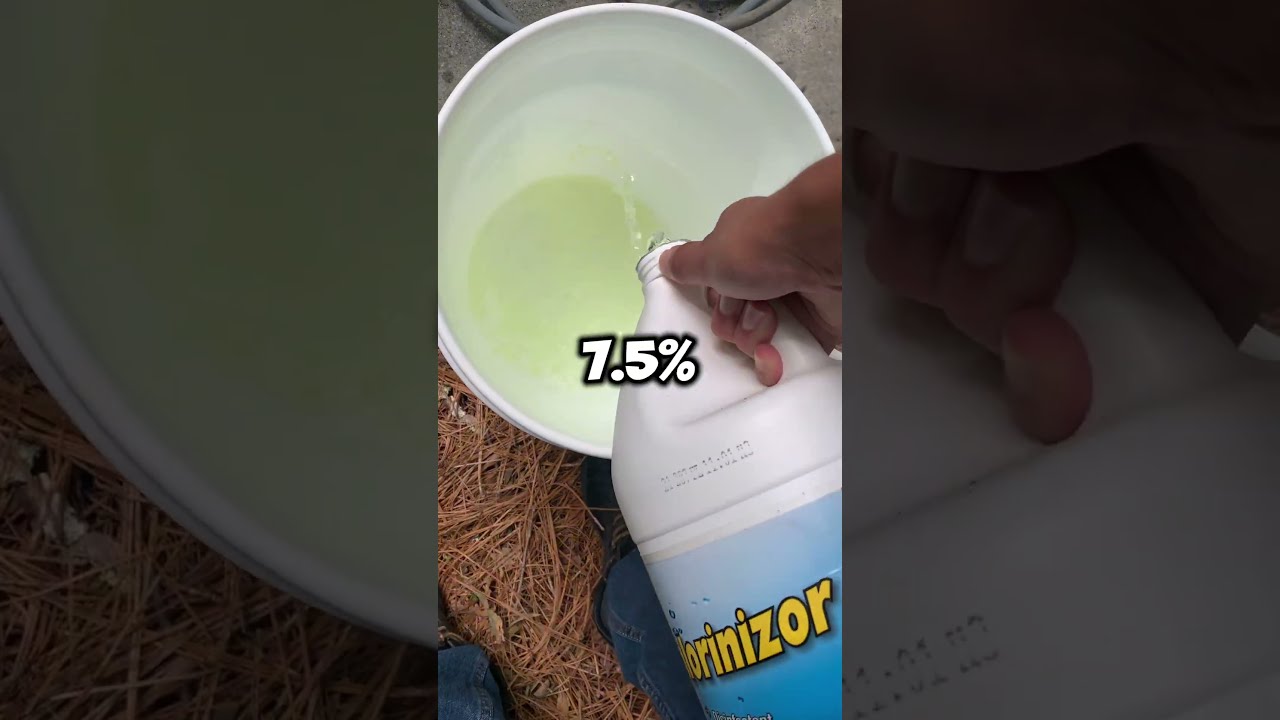
Avoid harsh chemicals such as undiluted bleach on a regular basis. They can damage sealers, discolour surfaces, harm plants and leave residues. Using a hose on a low-pressure setting is also preferable to repeated DIY high-pressure blasting, which can erode the surface, widen paver joints and leave lines or etching if done incorrectly.
Look after what sits on your patio
Outdoor rugs, planters and furniture can trap moisture and cause staining underneath. Lift pot plants onto feet so air can circulate and water can drain away. Move furniture occasionally, and rinse the area beneath. Choose breathable outdoor mats and let them dry out regularly.
When It's Time to Call in the Professionals Again
Even with the best maintenance routine, every patio eventually needs a deeper clean. Typical signs include widespread green or black discolouration, slippery patches, ingrained stains that don't respond to routine washing, and a dull, greyed appearance. For many Lismore homes, a professional pressure wash once a year, or every couple of years for well-maintained and sealed surfaces, is a sensible rule of thumb. Shaded, damp or heavily used patios may need attention more often.
A professional service has the equipment, technique and pressure control to clean thoroughly without damaging the surface. They can also advise on whether your patio is ready for sealing, repair or repointing, helping you plan the best maintenance schedule for 2026 and into 2027 and beyond.
Final Thoughts
Keeping your patio clean between pressure washes comes down to consistency. Sweep regularly, treat spills fast, manage moisture and shade, seal the surface, and carry out gentle routine washes. These habits protect your investment, keep your outdoor living space safer and more inviting, and make each professional clean more effective and longer-lasting. A little effort each week pays off with a patio that looks good all year, even in Lismore's humid, changeable climate.
Lismore Pressure Cleaning
(02) 6617 2969